Evaluation

For space place and history, we as a group (Josh, Tom, Leo, and myself) have had a lot of ups and downs. We had some good idea and some bad ones, but one thing that always went well was how well we all work together. 

A big issue we had with is project was time, it was given to us over Christmas holidays which meant that a lot of the time we were all in different place. However, before the term ended, we had an idea to go to Dartmoor and film our time there. We did end up going however we went in the afternoon and by the time we got there it was dark, and we couldn’t be much filming. Even in the morning we had to get back to London has some of us had work. When we looked over the footage, we had we notice that we didn’t have enough to make a good piece. We then changed our idea to exploiting nature. Some of us went to Epping forest where we were film all the shots that we would have wanted to get in Dartmoor. 

This is where problems started to happen because we were all going back home for Christmas and a lot of us would be back till a week before university started up again. 

Once we were all back and had a good look at the shot we had taken, we had the task of thinking how we could make a narrative out of what we had. We went through a lot of different idea some involving CCTV and the different between the city and the countryside. In the end we went with going back to exploiting nature, in the same way we have people get exploited everyday of our life. All in all, this project as defiantly had its ups and downs and it hasn’t been easy to come up with an idea that would work well. However, I do think our final piece is will hopeful be good and that when people watch it they get the theme we were going for.
Reflection through-out the project

For the start there was a lot going on in this project. At first, we thought we had everything sorted out are idea of going to Dartmoor worked on paper, and the way we wanted to film with 360 cameras would look really good. However, when we got to Dartmoor, we notice we didn’t have much day light and even in the morning it was harder to film with the 360 because it wouldn’t set up right. One this about this whole project is that we kept changing your mind on what our narrative should be. It also didn’t help that the work was given over the Christmas brake has we all went back home to spend time with our families. When we were back, we came up with the idea of focusing on nature. Now we just have to hope that the editing goes well, and we will have a good final piece. 

Planning and Production

Before embarking on our trip to Dartmoor, we felt it was important to further understand the world of connectivity before venturing off to a place without it. So what better place to do that than the city right on our doorstep? We went to central London to photograph all the distant aspects of connectivity we could find to get an idea of the impact that it has on our society.

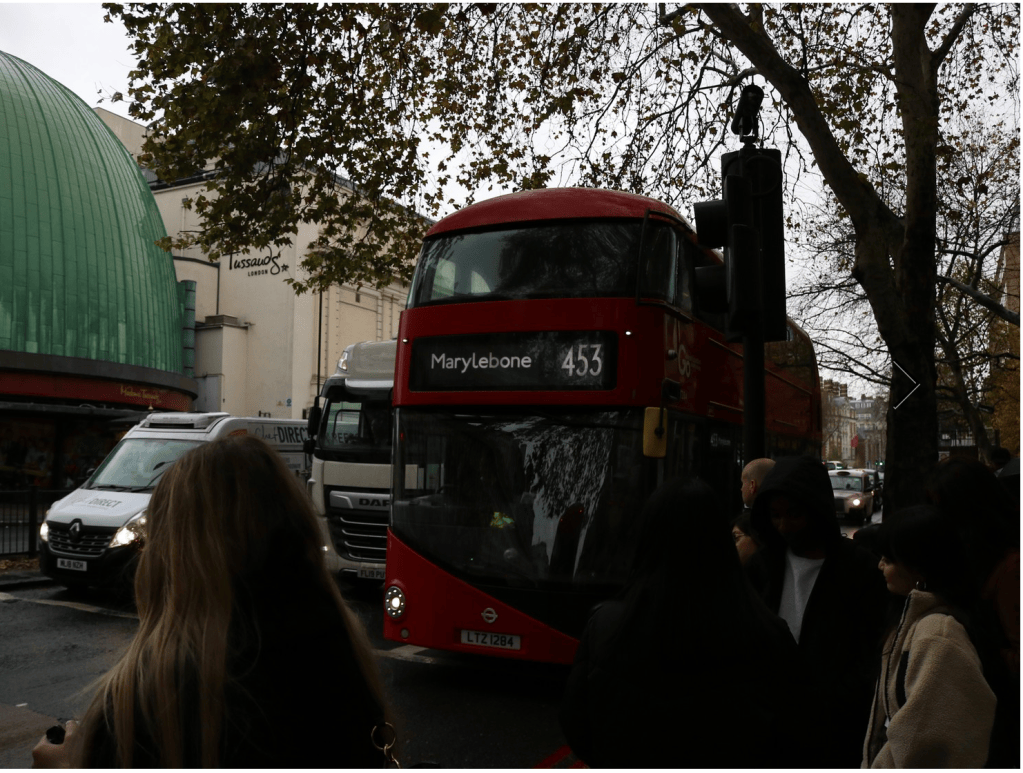
Transport

London is full of different modes of public transport, keeping the city connected 24 hours a day. Everyone in the city is dependent on it to get from point A to point B, making it one of the most key factors of connectivity.

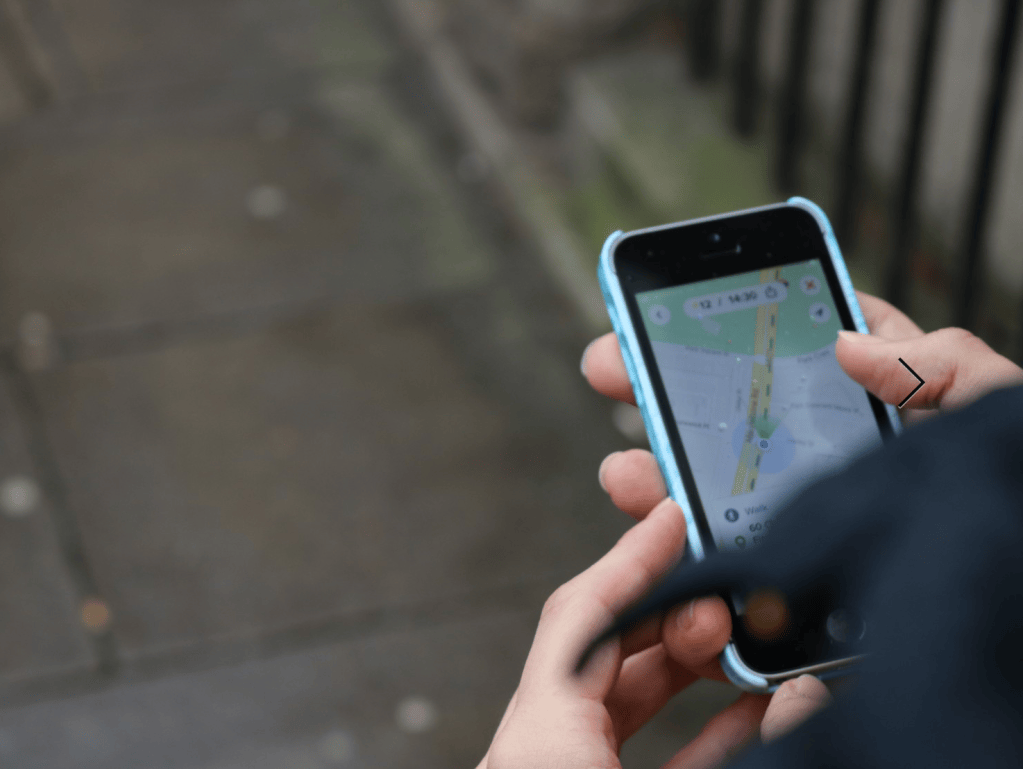
Maps

Navigation is one of the most important methods of connectivity. While maps have been around for thousands of years, they have more recently been mediated for digital use in apps such as Citymapper, which tracks your location and calculates the quickest routes to get anywhere within London. It renders getting lost in London an almost impossible concept.

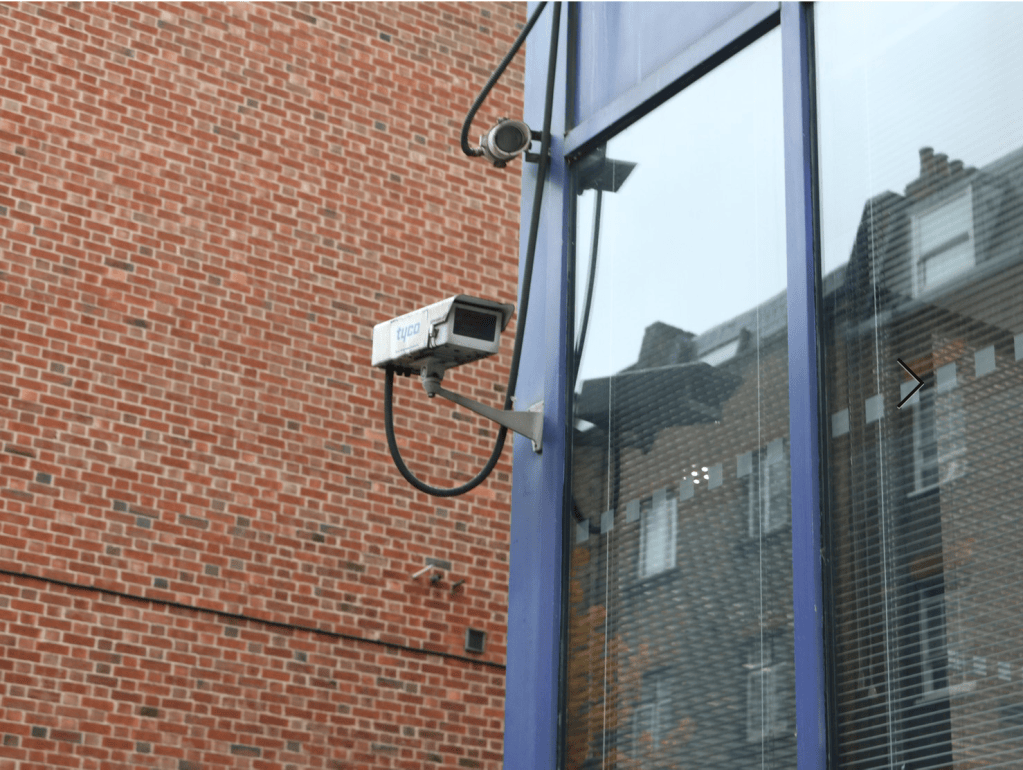
CCTV

Most parts of London are constantly under a lens. Surveillance is everywhere, and acts as a more dystopian form of connection. One of the aims of our camping trip to Dartmoor is to find a place that’s ‘off the grid’: a journey to escape the eyes that surround us in the city.

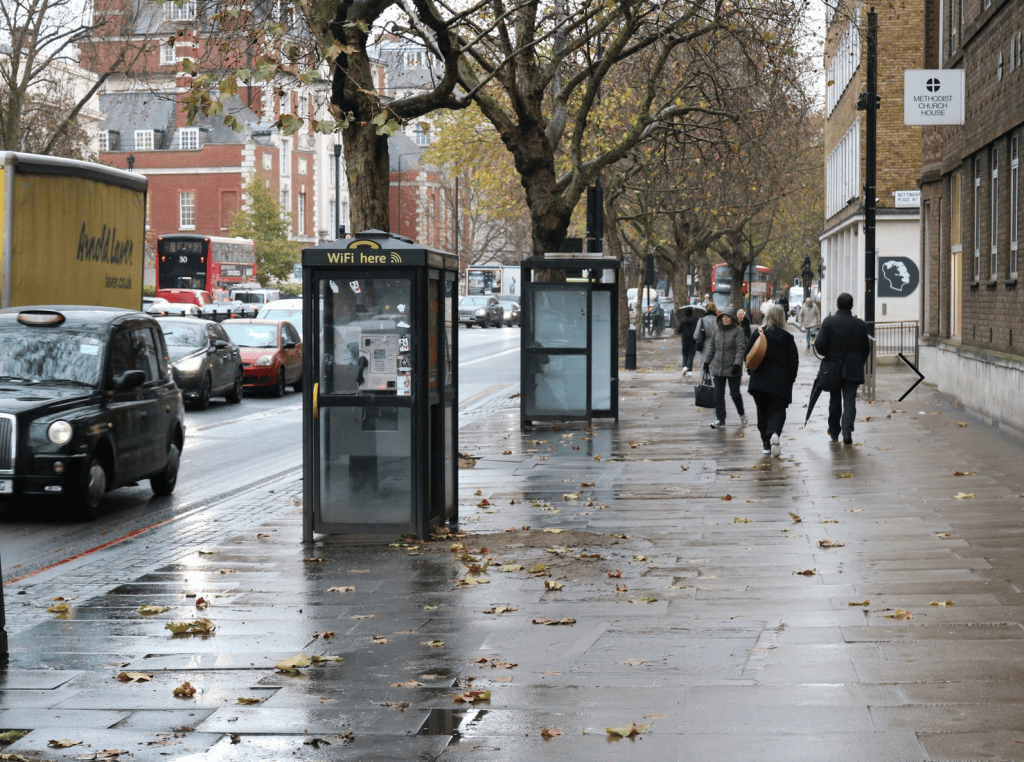
Wi-Fi

Wi-Fi is of course another key factor of connectivity. For this day, we wanted to also use a 360 camera to get a variety of shots, but we couldn’t get it working as there was an issue with the app that was preventing it connecting to the phone via Wi-Fi.

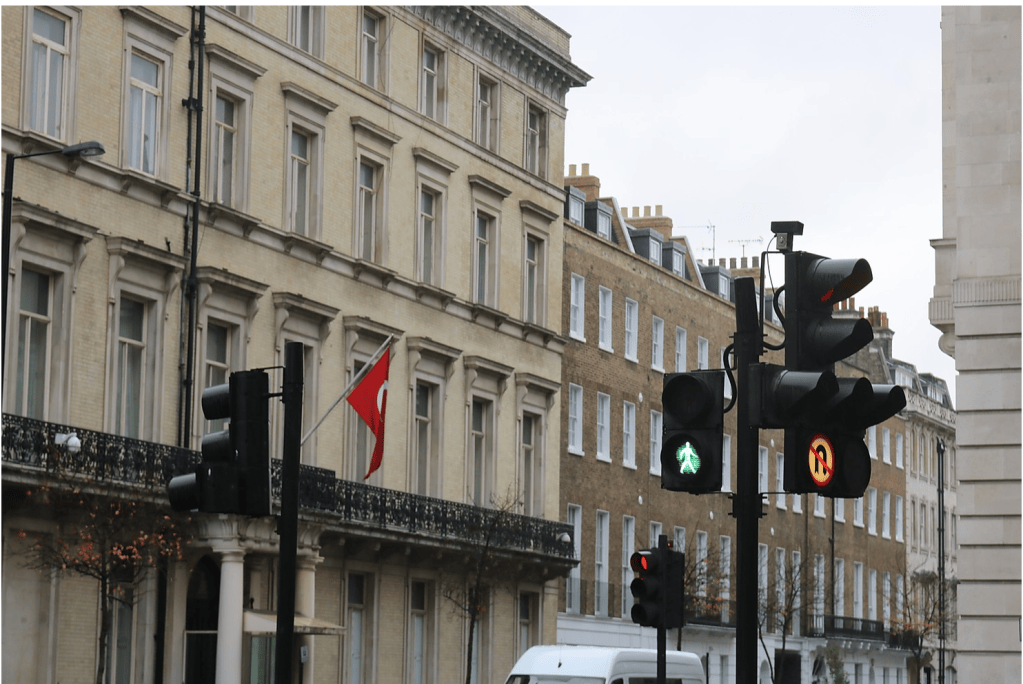
Traffic lights

Traffic lights control the flow of traffic and pedestrians, therefore controlling the connectivity.

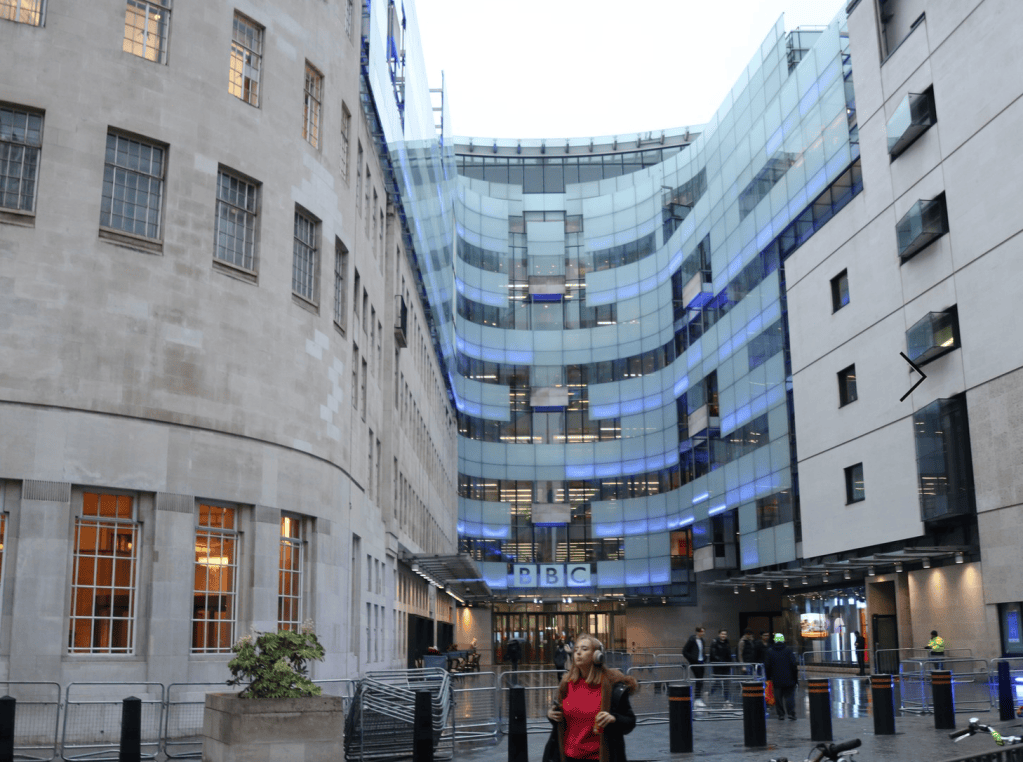
The BBC

The BBC centre is a hub for connectivity in London, in charge of broadcasting TV and radio productions to the entire country.

British Telecom

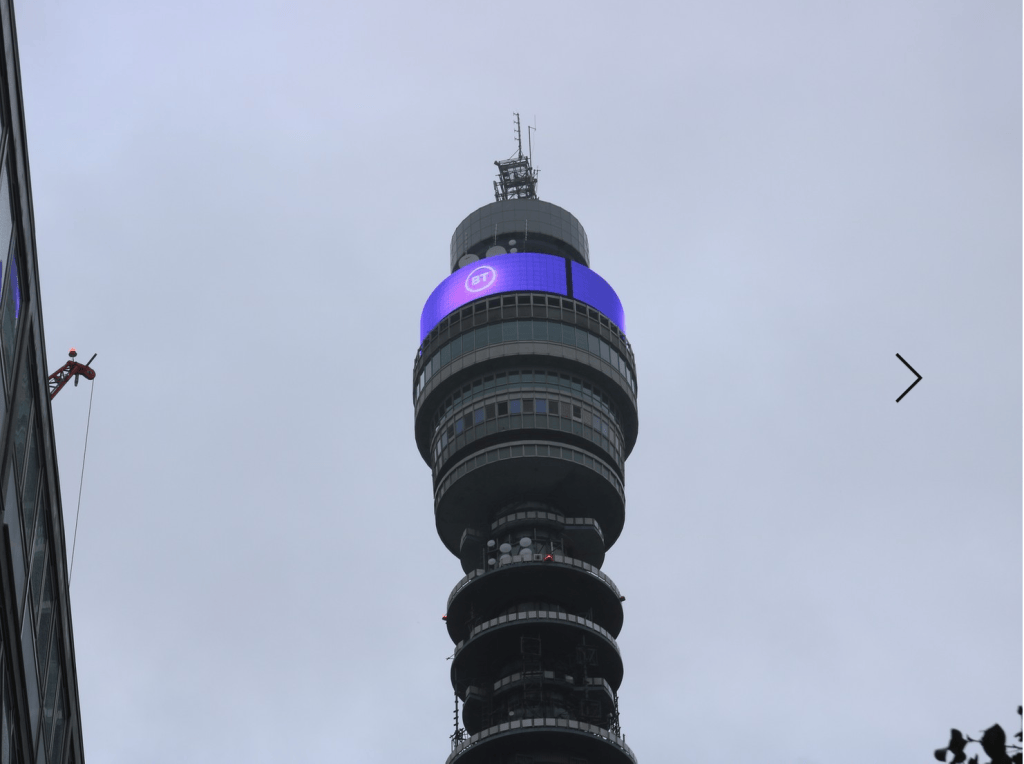
The main destination of our search for connectivity was the BT tower, a building that acts as a symbol for connectivity in London. The building is a dominant feature on the city skyline and is the headquarters for the largest provider of fixed-line, broadband and mobile services in the UK. The stark infrastructure of the communications tower is particularly visible from up close, making it appear almost menacing. Looking up at its enormous stature is a reminder of the power that connectivity has over the city.

Through this photography series, we’ve gained evidence of how much impact connectivity has upon the city and hope to make some contrasting comparisons to these themes when we go to Dartmoor.

Artists Research

The artists I have chosen to look at is Emmanuel Lubezki, who was the cinematography for the film Revenant. Emmanuel is known for his use of natural lighting which is why we thought it was a good idea to look into him, as we could use his work as inspiration for our own. Emmanuel career has spans over two decades, with him having eared three Oscars.

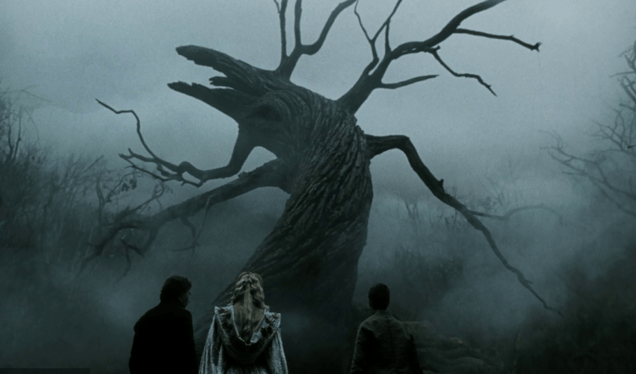
Emmanuel got his second Oscar nomination for best cinematography for the film Sleep Hollow. Has you can see in the picture he uses nature to his advantage twisting it to give it a more horror feel.

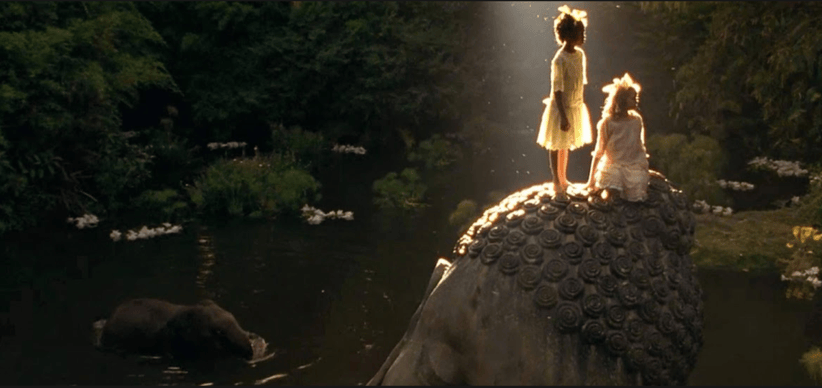
He worked on a family drama called A Little Princess, where he won his first Oscar nomination. I love the use of natural light and how effortlessly beautiful the shot is.  

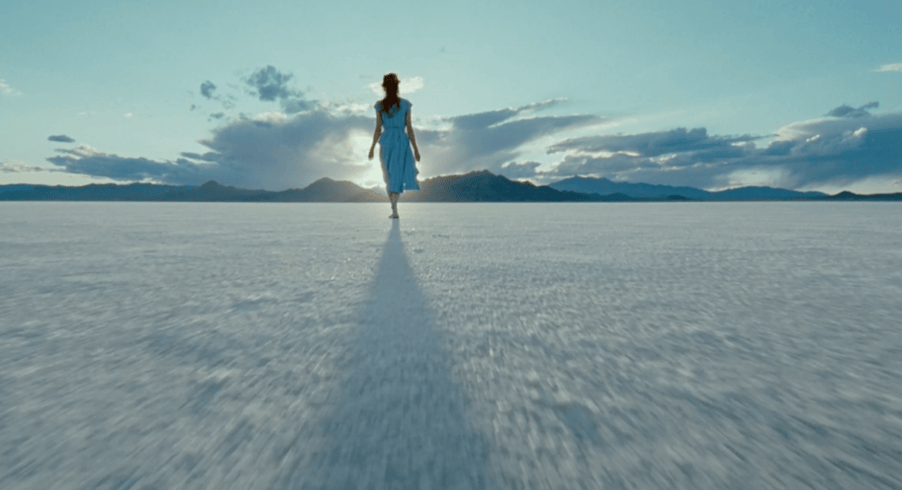
This still from The New World captures the near transcendent connection between nature and the Native Americans.

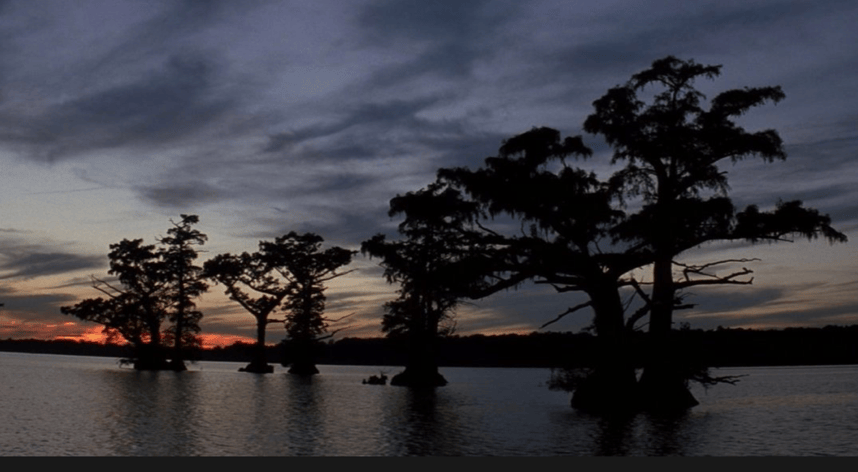
Again, the use of natural light in this still is so beautiful that it almost looks unreal or like it was stage to look like that.

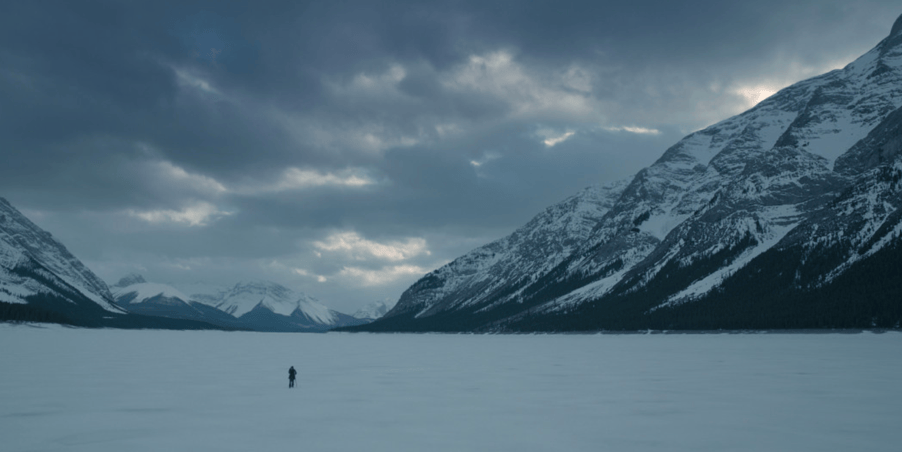
The film The Revenant was shot in Canada, the United States, and Argentina using only natural light.

My Dartmoor Experience

My experience in Dartmoor

As a group we wanted to do something different, so we came up with the idea to go to Bath and see the Roman Baths. It was Josh who then suggested that we head to Dartmoor and go camping. We then took the idea to Julie and Julian who told us they liked the idea for us going to Dartmoor but thought we didn’t need to go to Bath. 

So off we went with all our camping stuff in Josh’s car heading to Dartmoor. All in all, I didn’t really know how to feel about the trip, I have been camping before and know that I didn’t like it but for the video I was happy to do it. Also knowing that I have a good team of people going with me help a lot. 

The trip down was long and we all felt very tired, we ended up stopping off at a McDonalds so that we could eat because it was late, and we knew that was the only place that would be open. 

We ended up driving around for a long time trying to find a good place to set up camp. For me the best part was see the wild horses. Once we found a spot we set up for the night. Because when we got there it was dark, we didn’t get chance to film much, we tried using the night vison camera but could finger out how to work it. We ended up calling it a night and going to bed. Sleeping was horrible it was could and the floor was unconformable, and there was defiantly something smelling the tent at some point in the night. 

Waking up in the morning I could really feel the cold and because I didn’t sleep well, I hate everything. The boys woke up and started filming Tom and Leo even found that we were sleeping next to a river, which we didn’t know when we got there because of how dark it was. 

We pack up the camping stuff and head to the car where we started to film the road and streets to see how different they are to the streets of London. Well doing this I notice how much I love the city and how the countryside really isn’t for me.    

All in all my experience to Dartmoor was an interesting one I don’t think I’ll be going back to camping anytime soon, but I like see something other than the city.

Idea Development

We have gone through a lot of different ideas. We stared of with the idea of looking into Romans baths and just Romans in general. We had the idea of going to Bath where they still have sits of old Romans baths, then we thought about how fun it would be after going to bath to go to Dartmoor where we could go camping. We took the idea to Julian and Julie who told us that they thought we didn’t even need to go to bath that would could just make a film from us camping. After we got back from camping, we notice we didn’t have that much to go on, so we changed our idea to how reality is merely an illusion, show how our reality isn’t real because we are constantly being watched. So, we flipped it to us watching nature and the outdoor and showing the reality that is something so untouched. 

Space, Place and History

Roman Baths- There a well preserved site in Bath that date back to Roman Britain. it was once used for public bathing. There are 4 main features: The Sacred Spring, The Roman Temple, The Roman Bath House and The Museum which has finds from Roman Towns.

Hot Spring Formation– Water that bubbles up from the ground at Bath falls as rain by Mendip Hills. There geothermal energy which raises the water temperature. Under this pressure the hot water rises to the surface.

Reason– These sites of the Baths may have been the centre of worship used by Celts. The springs were dedicated to the. goddess Sulis whom the Romans know as Minerva.

Roman Use– Sulis continued to be used after the Roman invasion. During Roman occupation of Britain, engineers drover oak piles to provide a stable foundation in the mud and surrounded the spring with an irregular atone chamber. In the 2nd century it was enclosed within a wooden barrel-vaulted building, and included the caladium (hot bath), tepidarium (lukewarm bath), and frigidarium (cold bath). These were lost in the 5th century when the Roman withdrawal from Britain, the baths fall into despair, silting up and flooding.

Today– You are still able to find Roman Baths, located in the city of Bath, where they have made it into an educational way to lean all about the Romans.

Design a site like this with WordPress.com
Get started